
Research peptide catalogue data, organized for verification.
Search current Canadian research peptide listings, separate catalogue claims from batch evidence, run concentration math, and preserve a cleaner path from shortlist to tracked receipt.

Browse Canadian research peptide catalogue families.
Use category labels to narrow the index, then return to the exact product name, configuration, live price, availability, and record status.







Research listings open for comparison.
A rotating set of catalogue entries with live options, prices, and availability. Open each listing before recording a configuration.
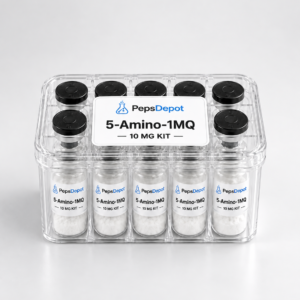
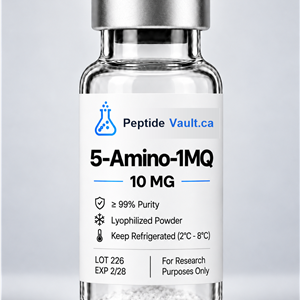
5-Amino-1MQ 10MG Kit
5-Amino-1MQ 10MG Kit is indexed in the PeptideVault GLP-1 & Metabolic collection. Confirm the live kit or bundle configuration, listed amount, price, and availability here; use the Batch Records library separately when a matching record is published.
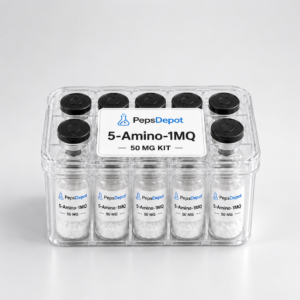
5-Amino-1MQ 50MG Kit
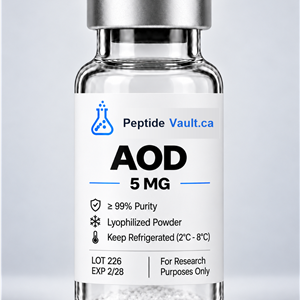
AOD 5mg
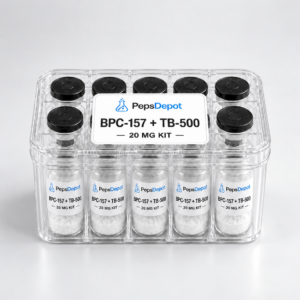
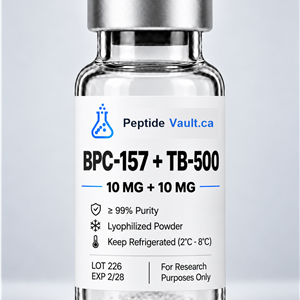
BPC-157 + TB-500 20MG Kit
BPC-157 + TB-500 20MG Kit is indexed in the PeptideVault Healing & Recovery collection. Confirm the live kit or bundle configuration, listed amount, price, and availability here; use the Batch Records library separately when a matching record is published.
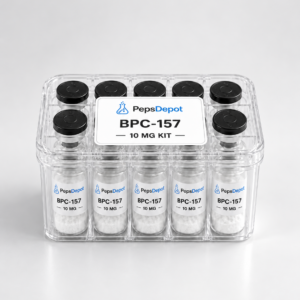
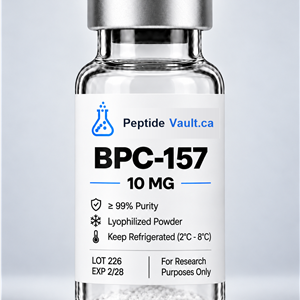
BPC-157 10MG Kit
BPC-157 10MG Kit is indexed in the PeptideVault Healing & Recovery collection. Confirm the live kit or bundle configuration, listed amount, price, and availability here; use the Batch Records library separately when a matching record is published.
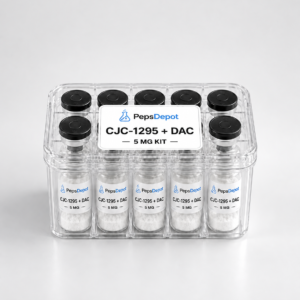
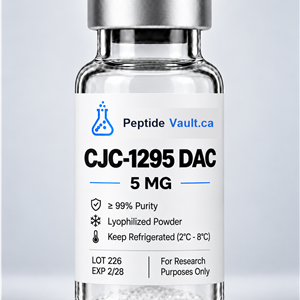
CJC-1295 + DAC 5MG Kit
CJC-1295 + DAC 5MG Kit is indexed in the PeptideVault Growth Hormone collection. Confirm the live kit or bundle configuration, listed amount, price, and availability here; use the Batch Records library separately when a matching record is published.
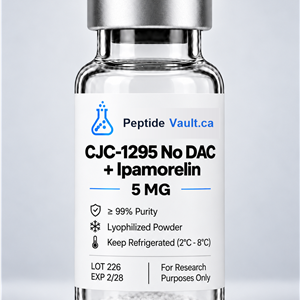
CJC-1295 No DAC + Ipamorelin 5mg
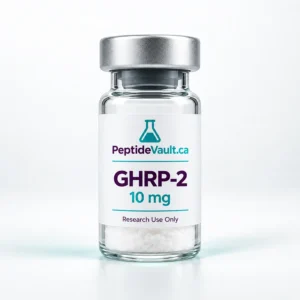
GHRP-2 10mg
Catalogue data and batch evidence should not blur together.
PeptideVault keeps the product offer, analytical record, calculation tool, and receiving guidance in distinct places so each can be checked independently.
Match product, batch, and report identifiers.
Read the issuing laboratory, date, reported values, and scope before linking evidence to material.
Convert mass, volume, and concentration.
Run transparent laboratory arithmetic, then verify the result against the approved protocol.
Document the material handoff.
Prepare identity, condition, traceability, storage-assignment, and project-allocation records.
From requirement to receiving log.
A listing, batch record, order confirmation, and receiving entry answer different questions while forming one auditable trail.
Define and shortlist
Write the requirement, then compare exact product names, configurations, prices, and availability.
Match the evidence
Connect only an identified product and batch with its corresponding published record.
Order, track, receive
Audit the cart, preserve payment and tracking references, then document receipt and storage assignment.
Know which source answers which question.
The FAQ explains catalogue scope, evidence limits, calculation tools, pricing, Canadian dispatch, and research-use boundaries.
What is the catalogue scope?
Listings are for qualified laboratory research and analytical workflows only—not human or veterinary consumption.
How do I connect a result with material?
Use the product and batch identifiers in the record library; never assume one report applies across every lot.
Where does parcel status come from?
After carrier acceptance, tracking events are the live source for parcel movement. Review the dispatch page before ordering.
Which price should I record?
Select the intended product option and use the current cart total; old screenshots or static notes may be outdated.
Start a verification-ready catalogue record.
Capture the exact listing and configuration, check for an applicable batch record, and preserve the order trail through receipt.